Nepal has made notable progress in expanding access to education. However, significant challenges remain and deep, intersecting inequalities persist across geography, caste, wealth, ethnicity, and disability.
Similarly, acknowledging that teachers are central to the quality of education, Nepal has made significant progress in improving the pupil-qualified teacher ratio, but regional disparities persist, and Nepal’s teachers remain severely underpaid, with wages that have stagnated in real terms.
To tackle the inequalities that prevent many children from completing a full cycle of quality, equitable public education, Nepal must scale up a well-supported, qualified teaching workforce, and invest in an equitable, quality public education system.
This requires greater public investment, guided by the TaxEd Alliance’s 4S approach:
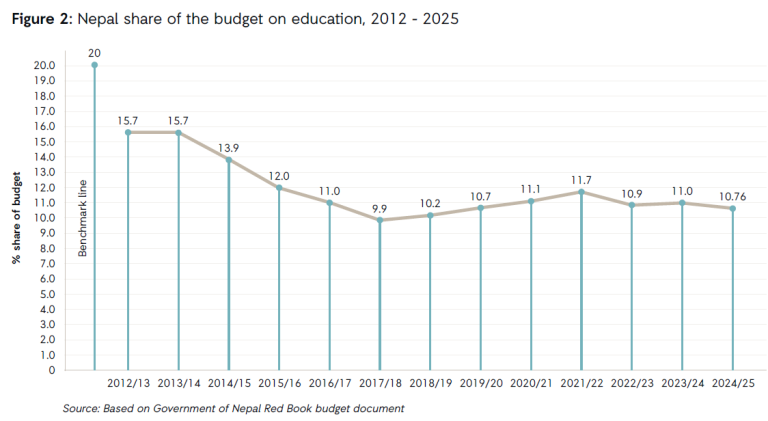
Share – Allocate a larger share of the budget to education
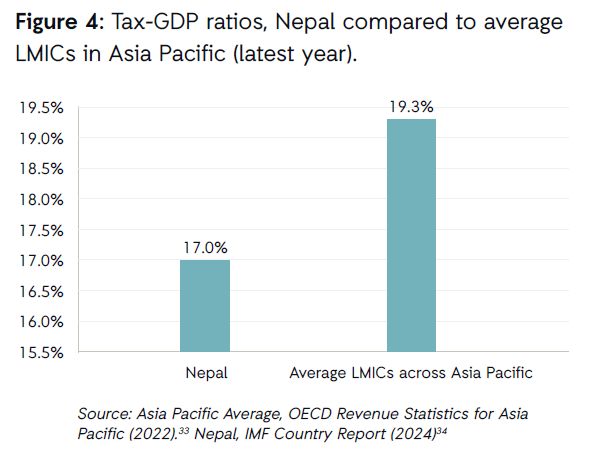
Size – Expand overall revenues through fair taxation and debt justice
Sensitivity – Target spending to reach the most marginalised
Scrutiny – Strengthen transparency and accountability so that funds reach schools
In particular, Nepal must urgently increase the share of the budget allocated towards education to at least 20% and leverage progressive, gender-responsive, and climate-sensitive tax policy reforms to increase its tax-to-GDP ratio in order to expand its public spending capacity to meet the costs of SDG 4.
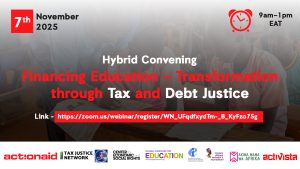
What can Nepal do to sustainably and equitably mobilise more resources for education?
See the key statistics below and read the full briefing here.